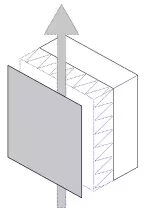
On this website, we have been sharing examples of prefabricated brick facades with you. We highlighted them as exceptions—driven by the desire to prefabricate something that, by its very nature, is typically built on-site.
Renzo Piano mastered this approach at IRCAM, later evolving to realize that, when prefabricated, the ideal material might be clay tiles rather than traditional brick, as seen at Rue de Meaux and Lyon Convention Center —which served as the prelude to many other projects, culminating in St Giles.
Other architects still aim to preserve the classic brick aesthetic while prefabricating with thin clay tiles or clinker plaques, including Ribas & Ribas, ASPECT Studios and Lahznimmo Architects, and Batlle i Roig.
The question we now pose is: What is the future of brickwork as the building industry moves toward industrialized off-site processes?
We see examples where prefabrication takes full advantage of advanced off-site technologies, such as robot-built masonry. However, what happens to load-bearing brick walls as massive tectonic structures linked to our architectural culture? Or rainscreen facades where, even with prefabricated or industrialized components included in the whole system, the brick preserves its traditional, logical assembly technique?
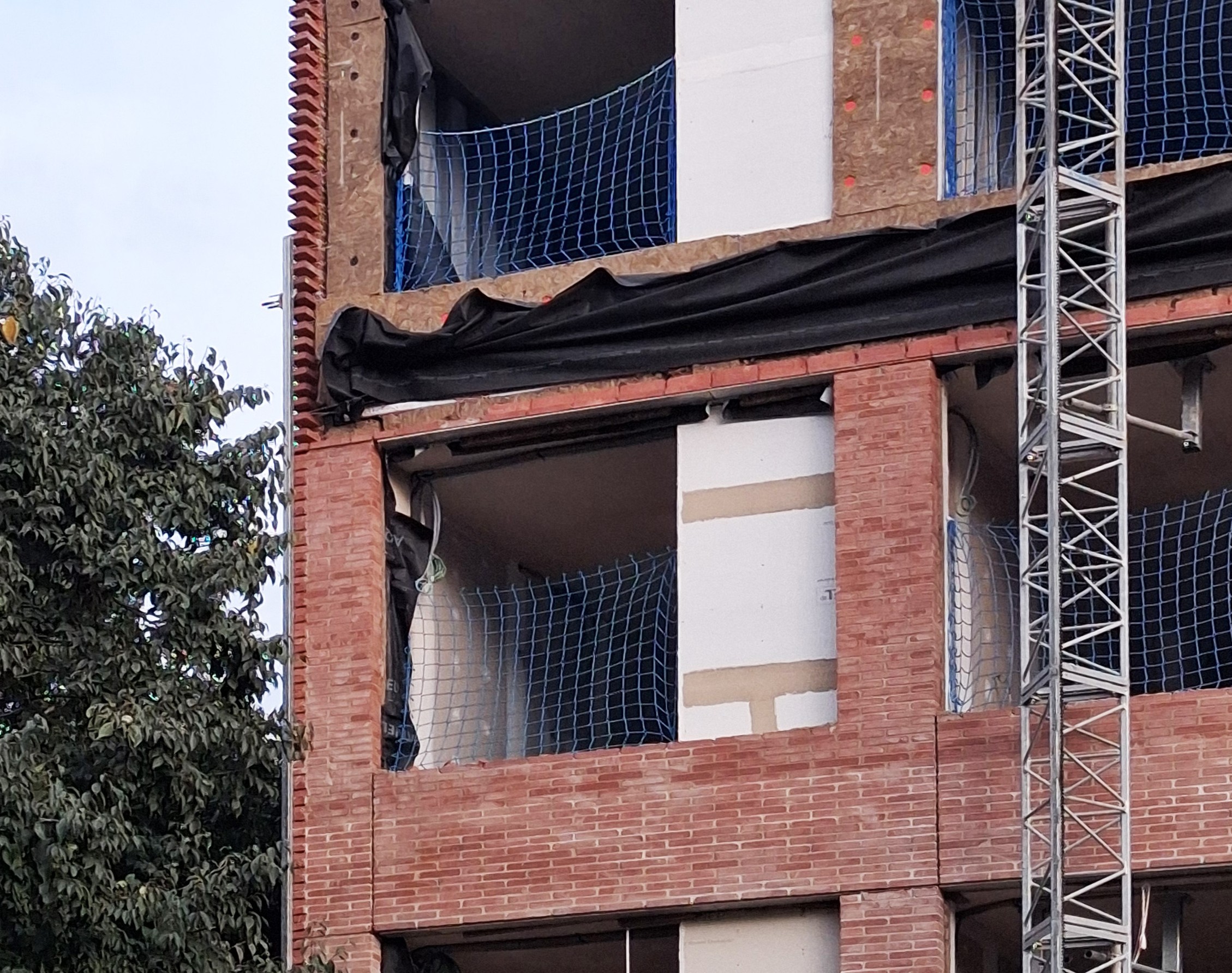
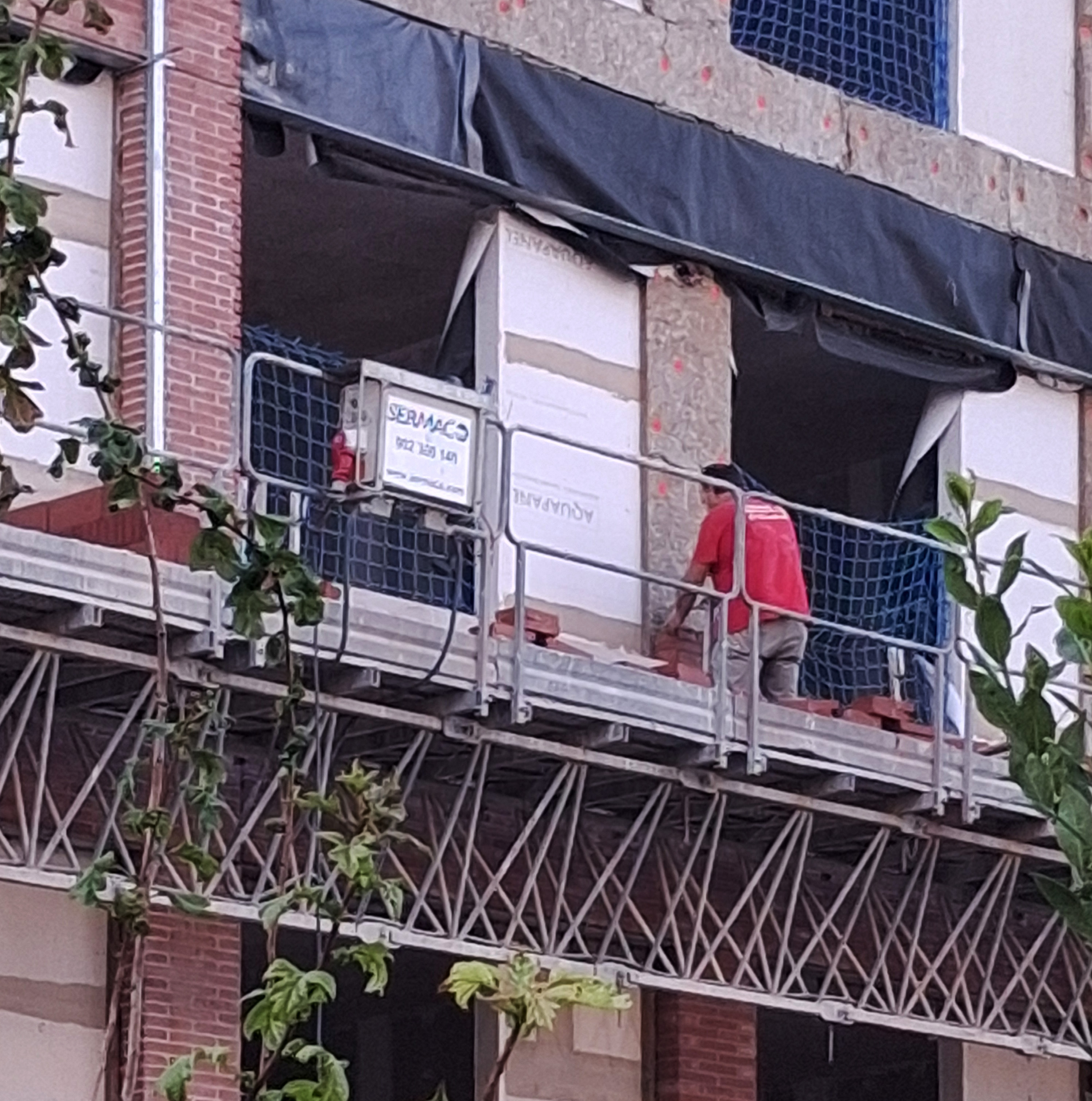
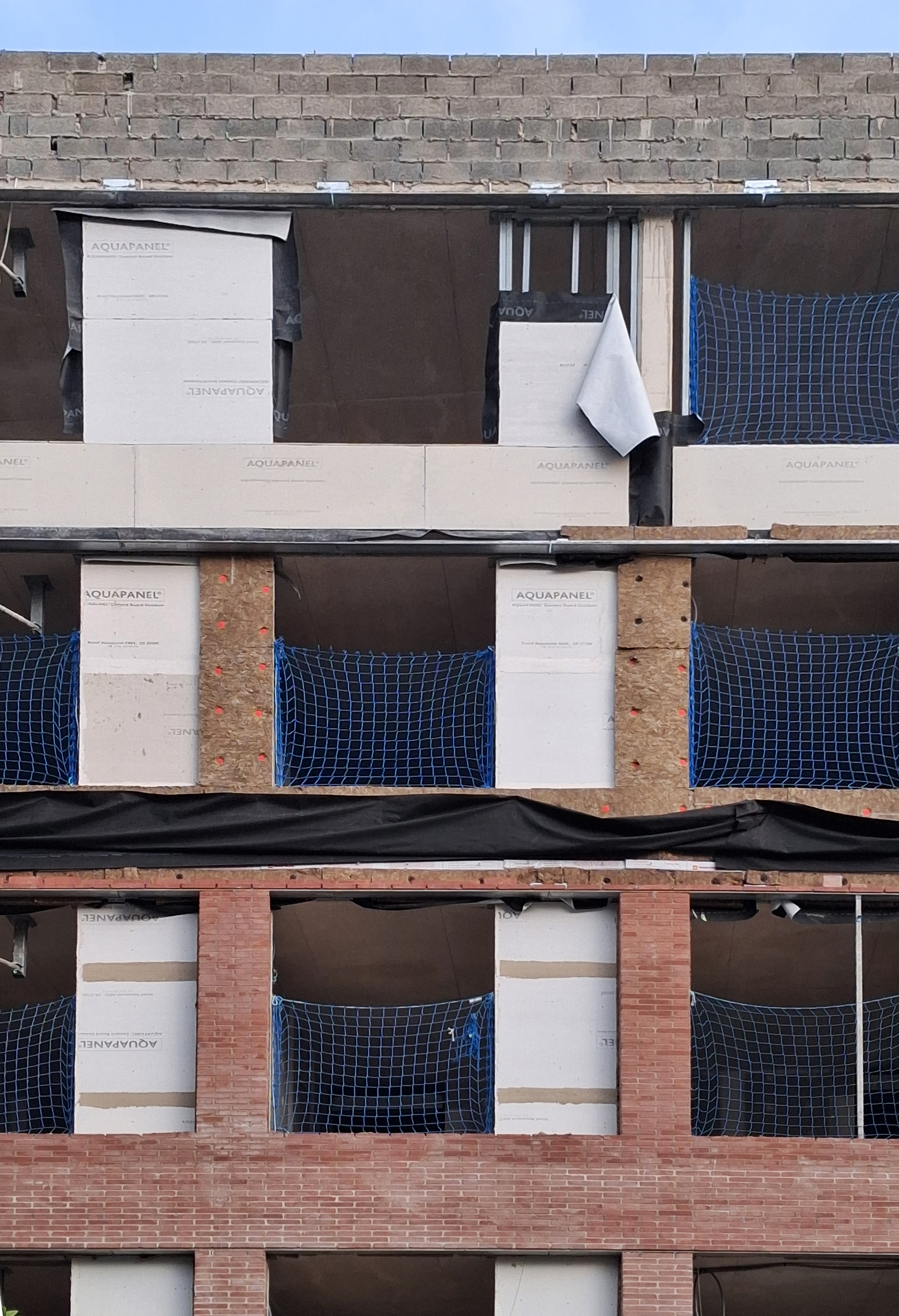
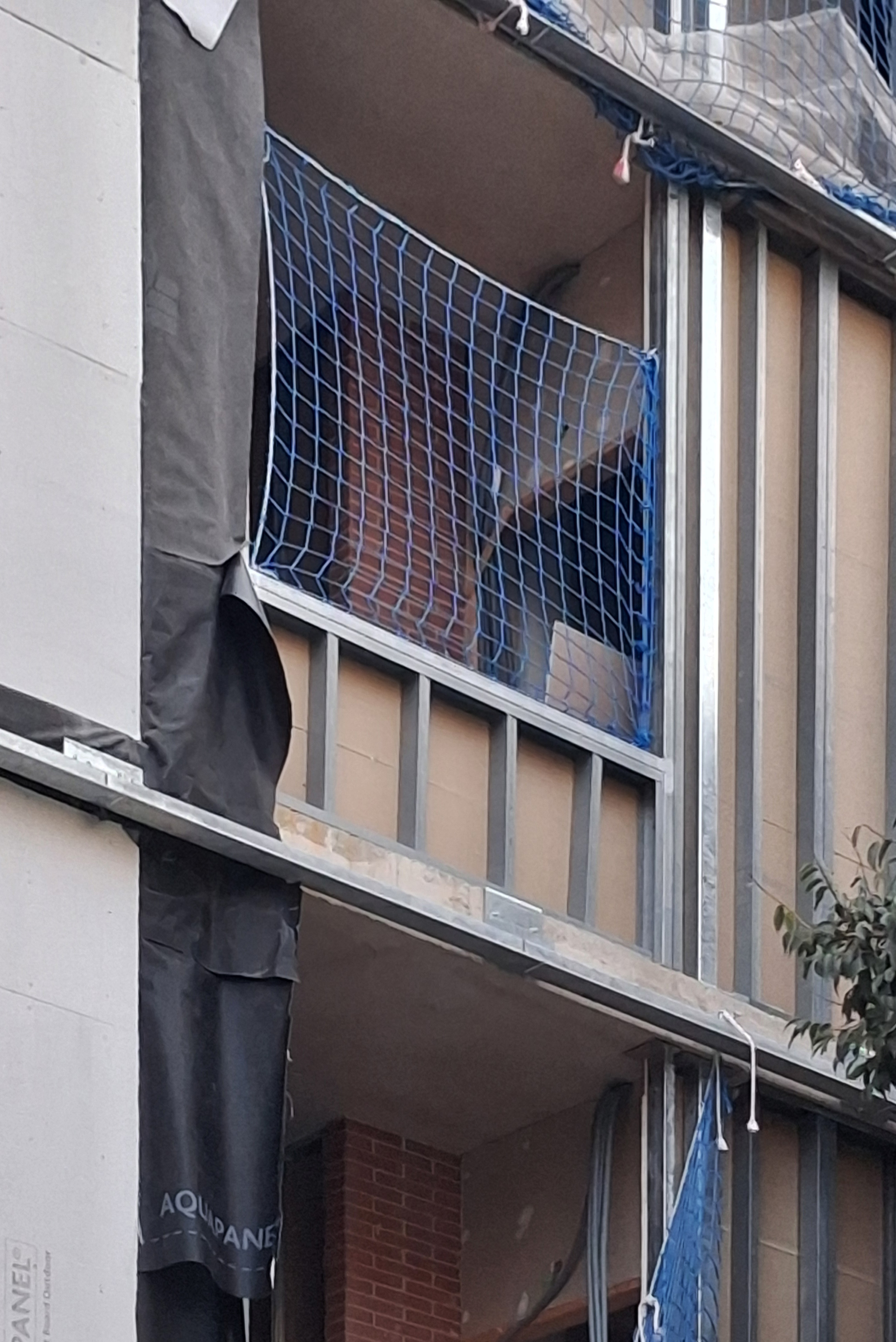
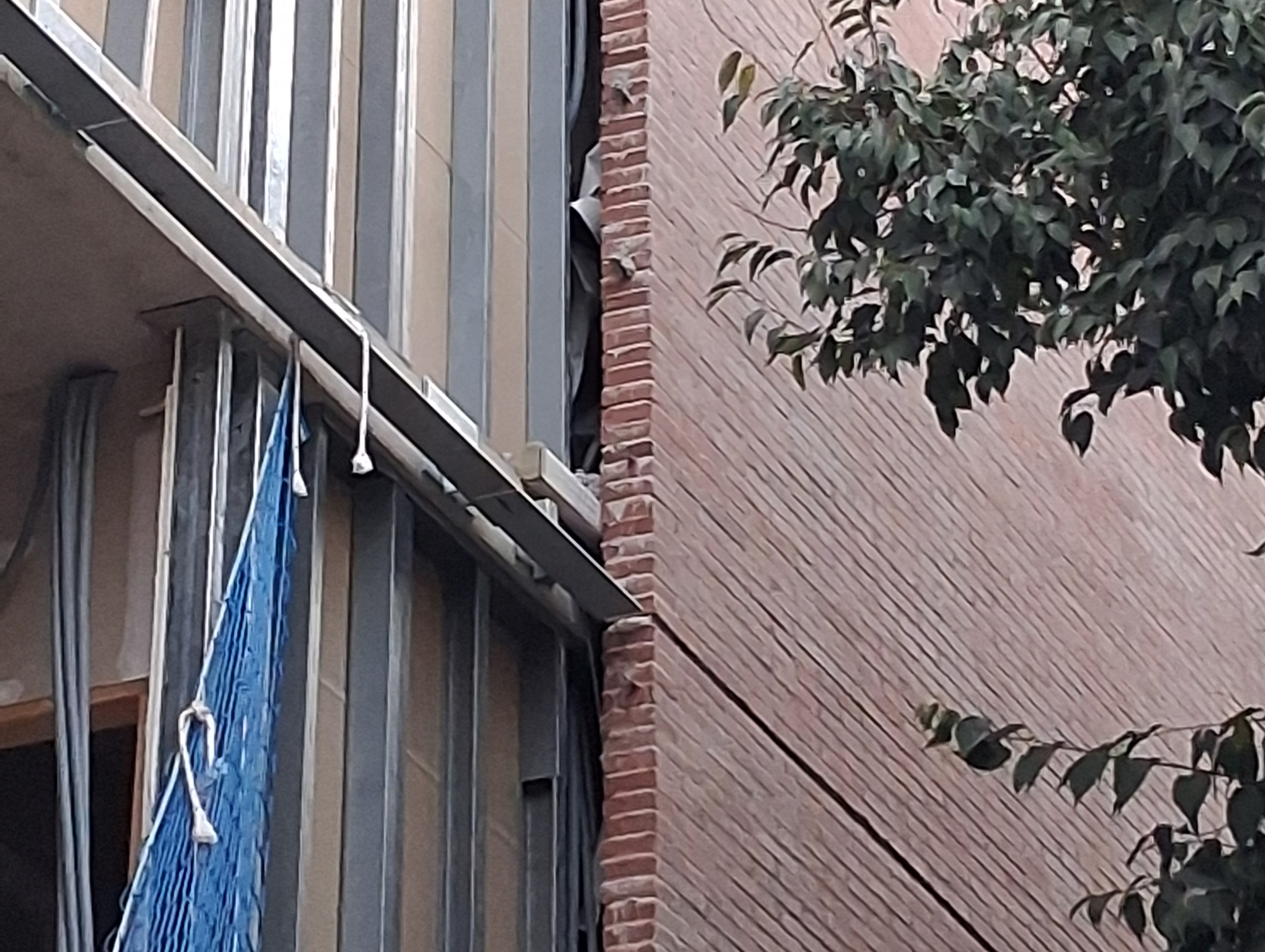
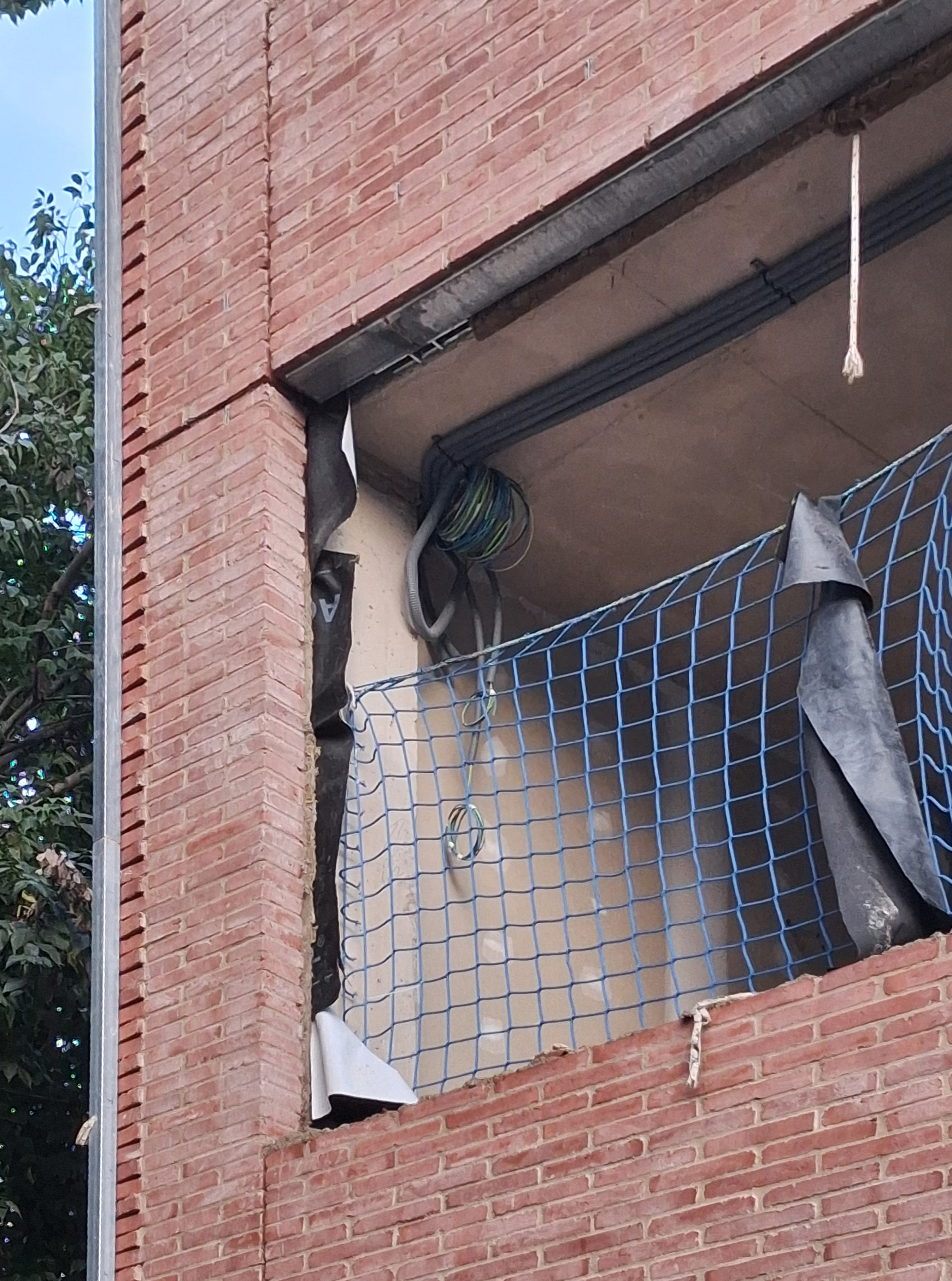
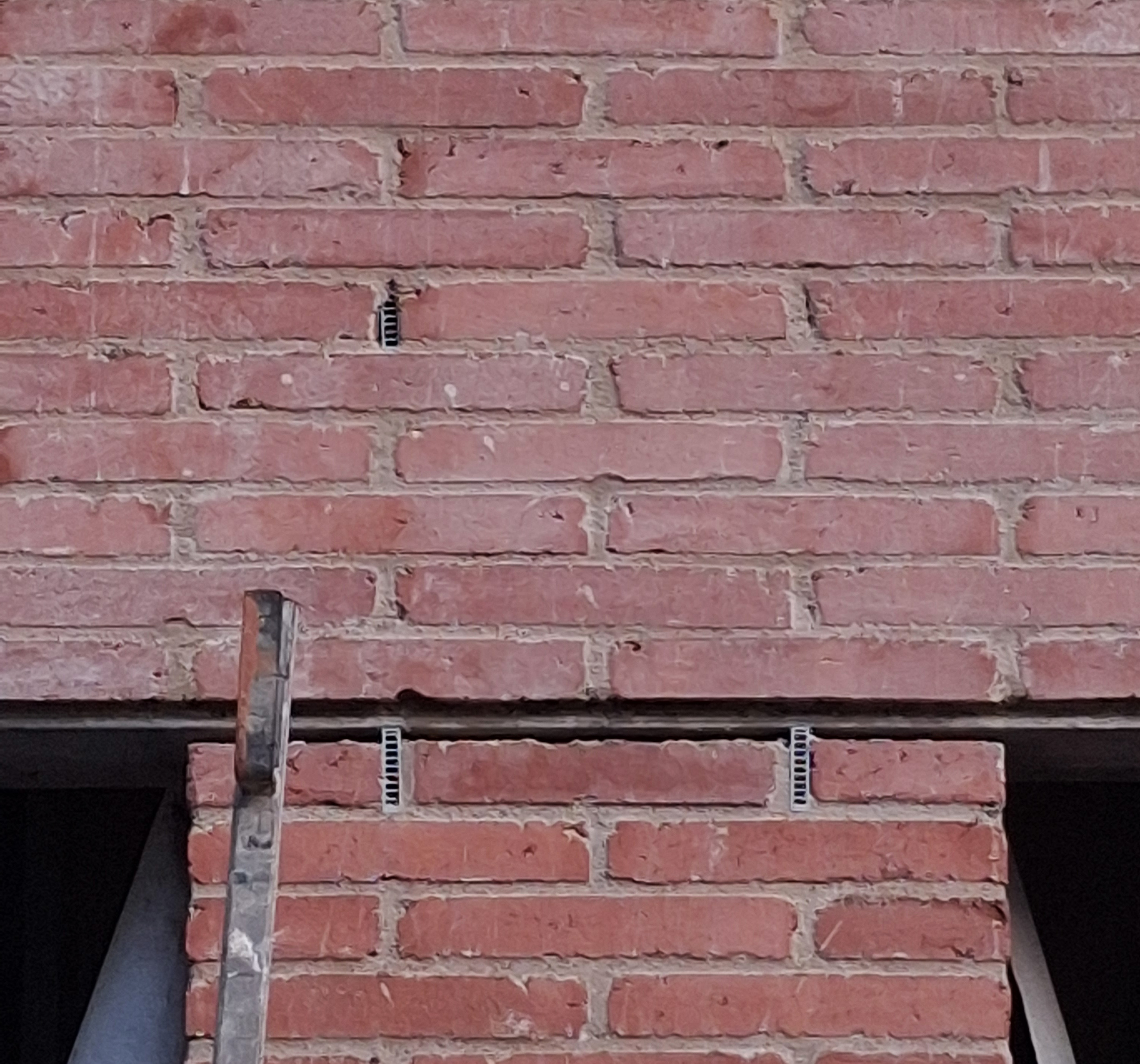
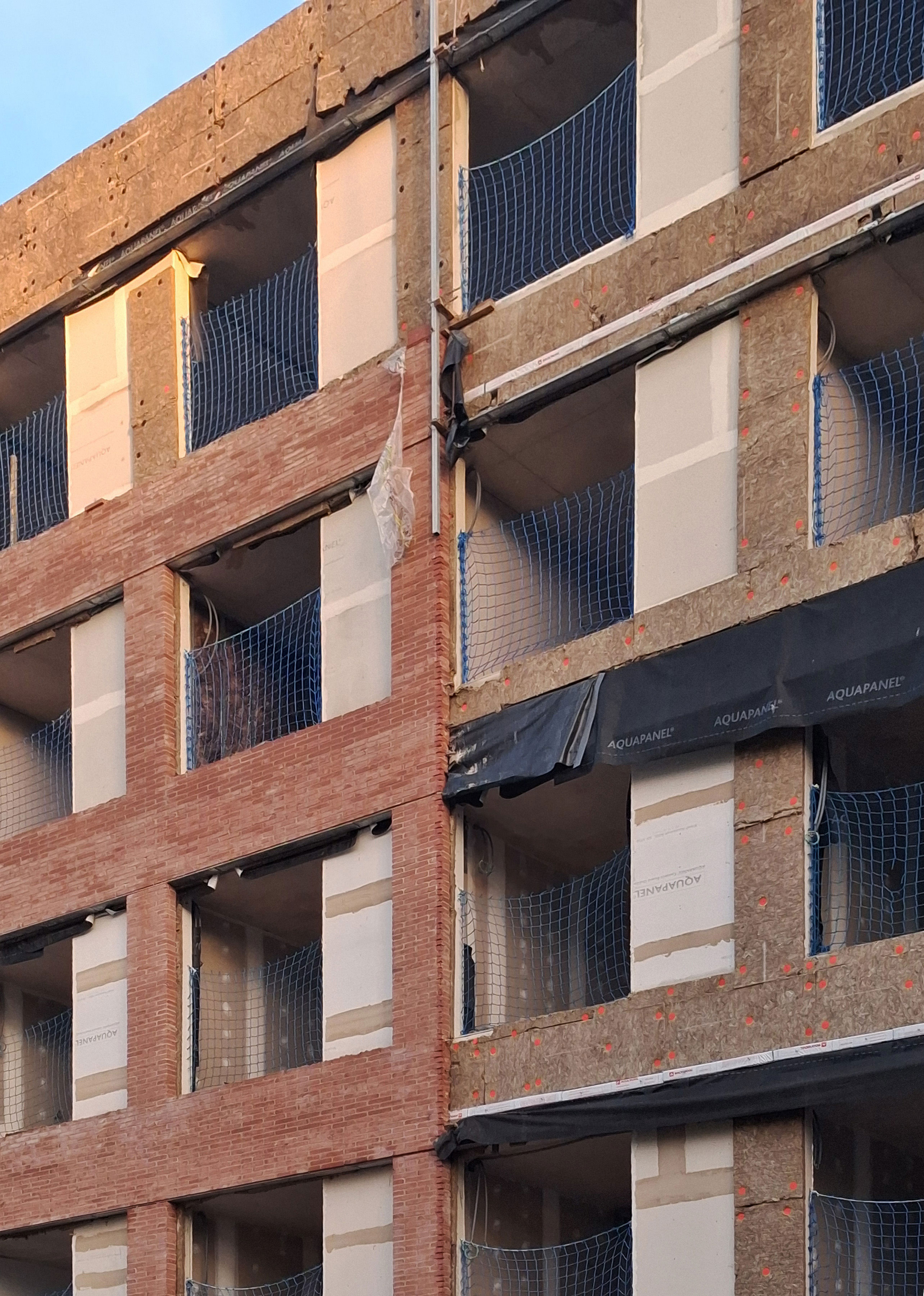
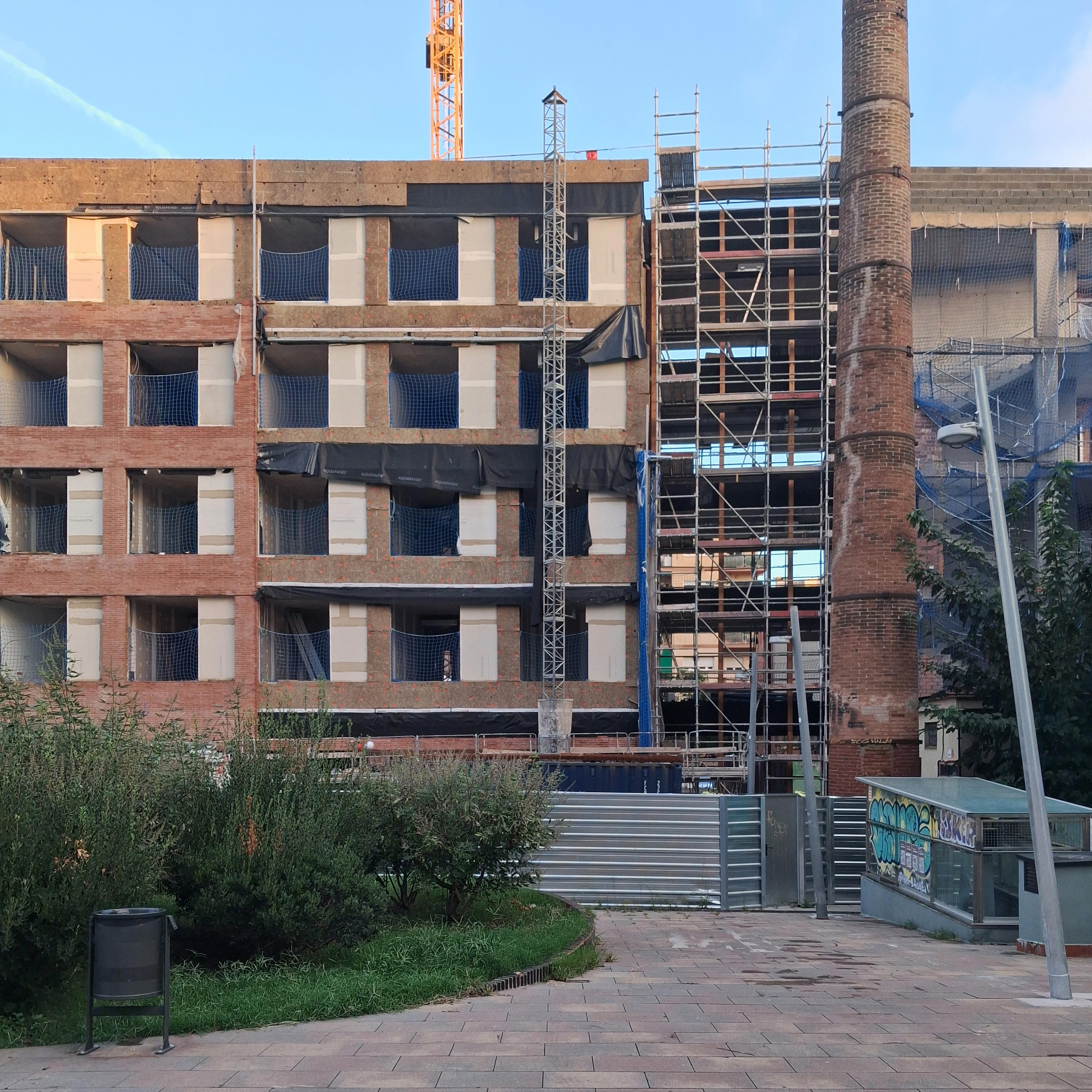
Plaça de les Ceràmiques Vicens
08028 Barcelona Barcelona
Spain