Minimal support or a robust solution?
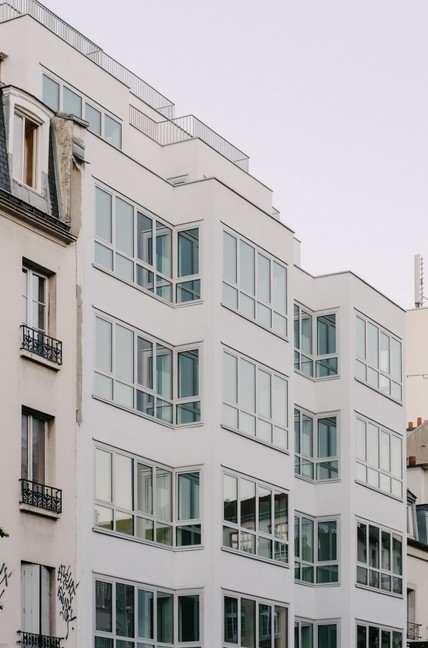
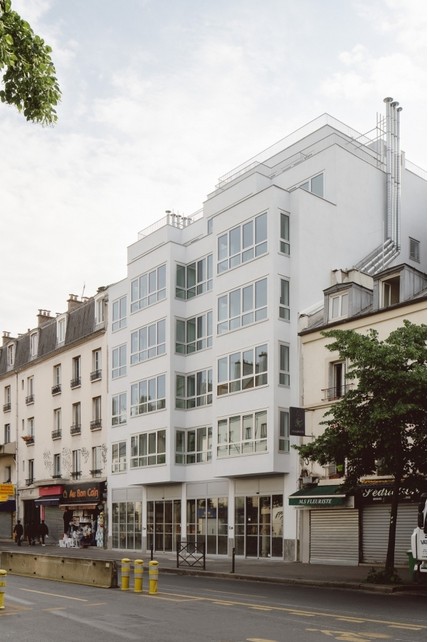
In this social housing project by the French architects Barrault Pressacco, one idea stands out: the clear separation between the building’s structure and its envelope. The structure, defined by generous spans and durable materials, is designed to adapt to different uses over time. The envelope, made from natural and locally sourced materials, is treated as an independent layer with a shorter life cycle, ready to change as needs evolve.
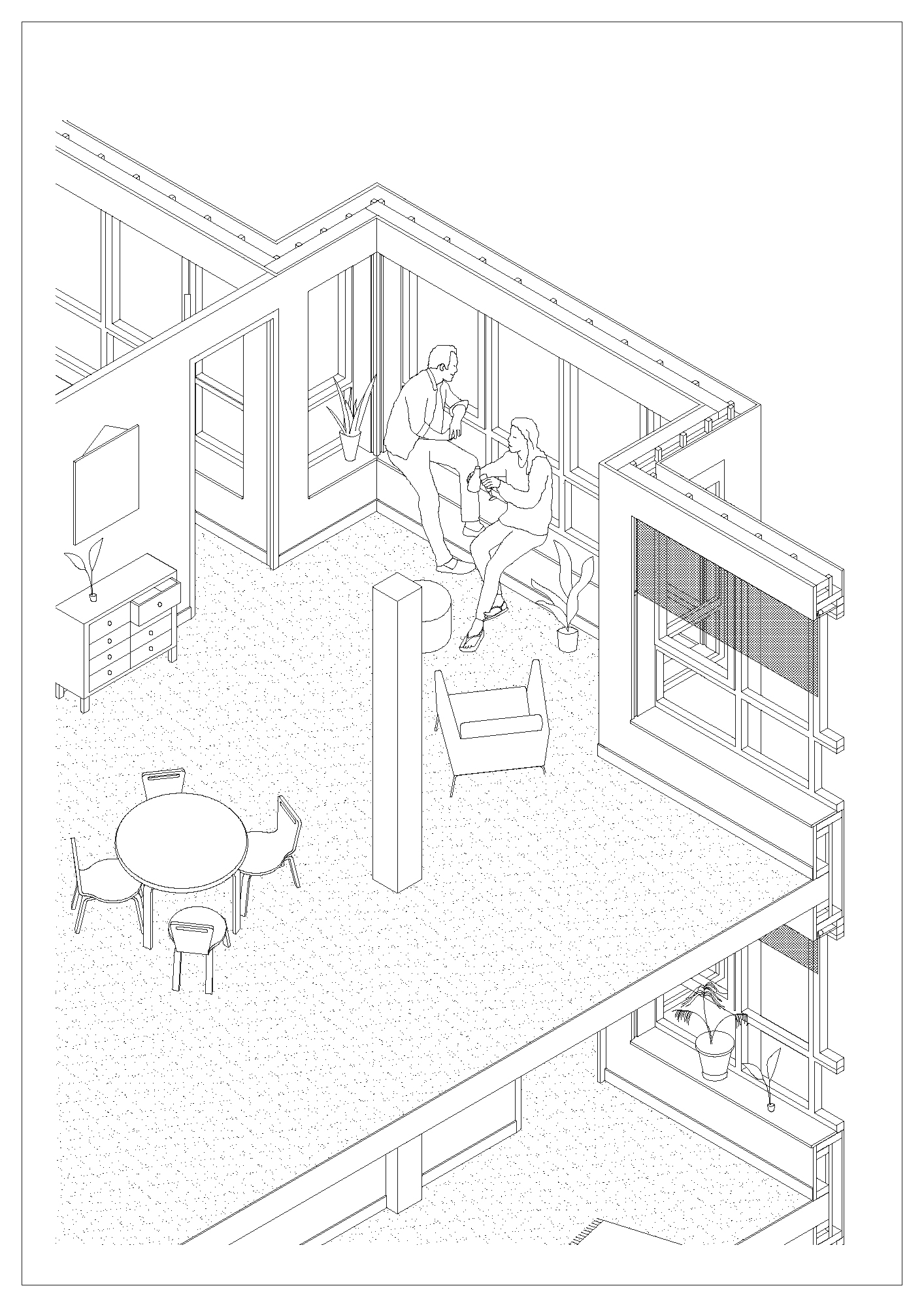
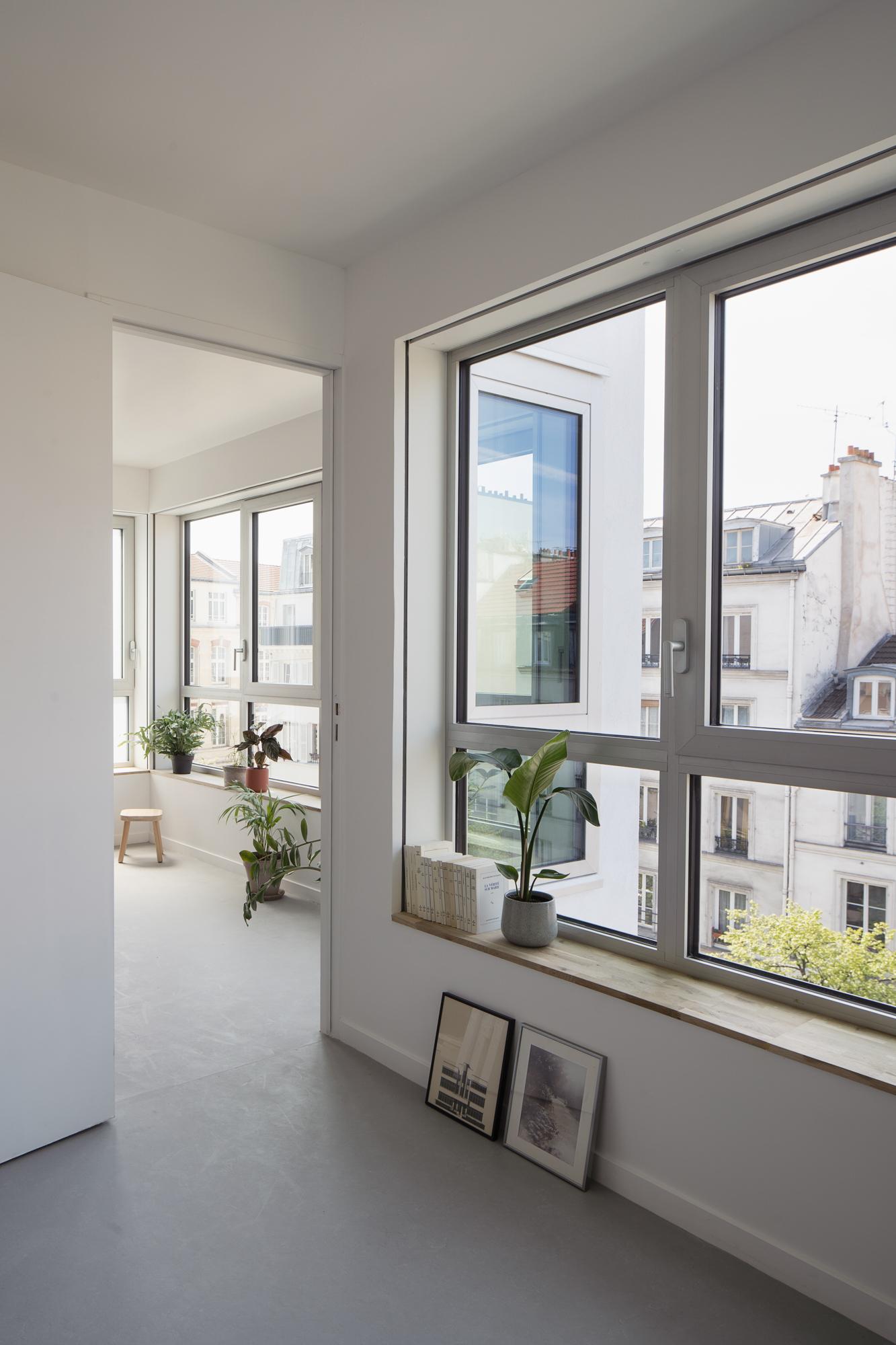
Before looking more closely at how this envelope is built, it’s worth highlighting something that often goes unnoticed: the façade is conceived from the viewpoint of the people who live inside —frequently the forgotten actors— and not just as an exterior composition.
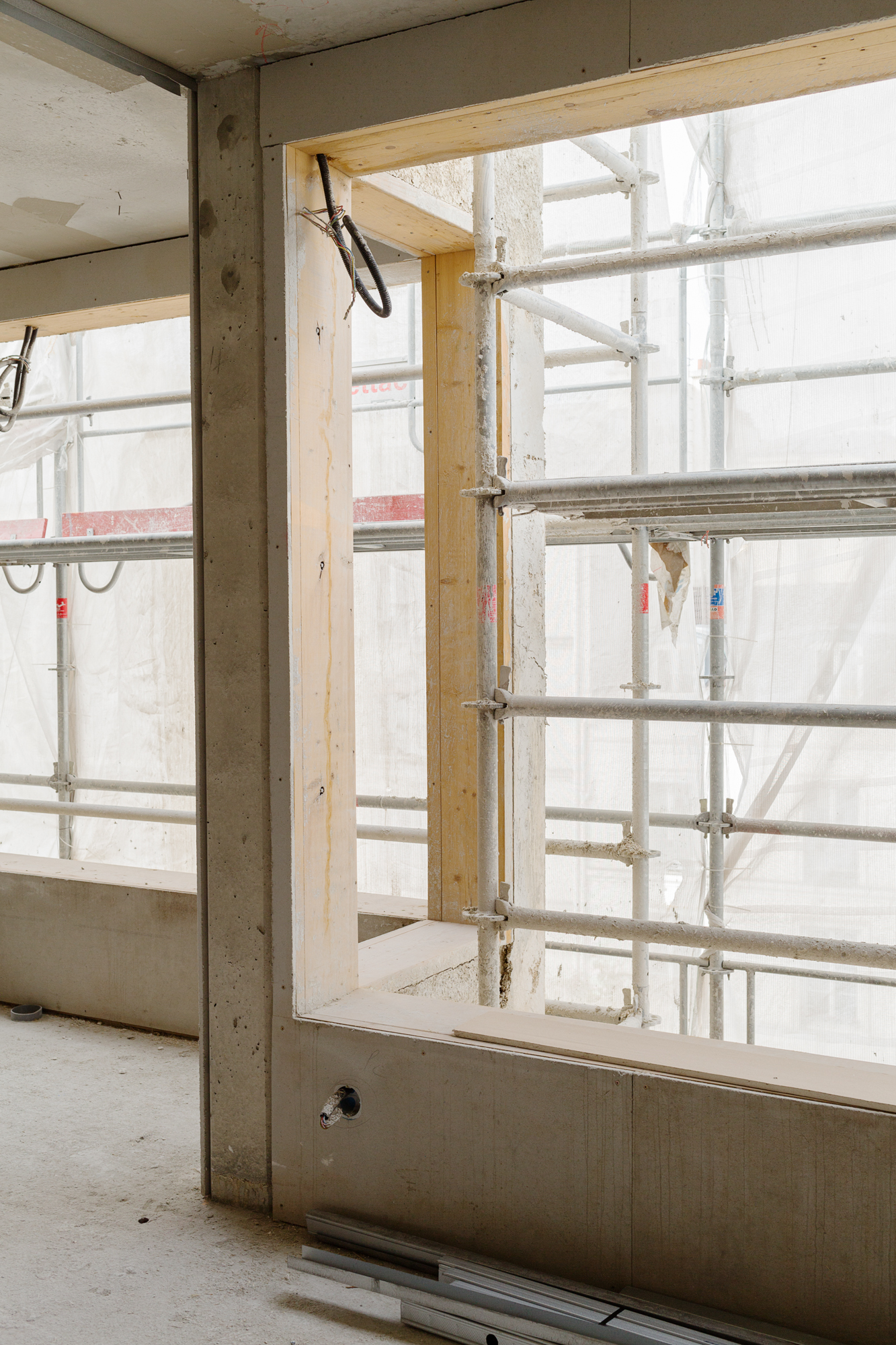
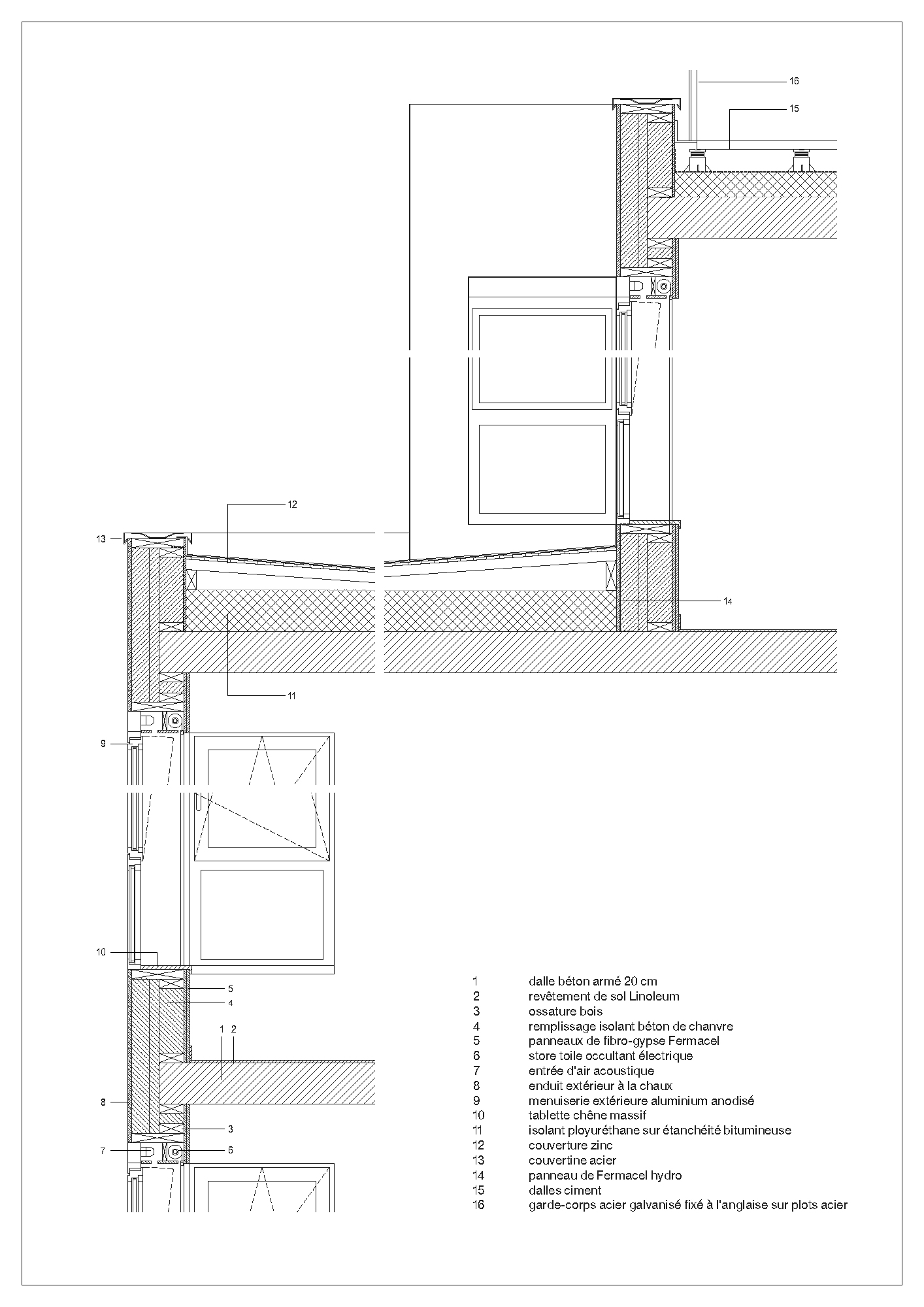
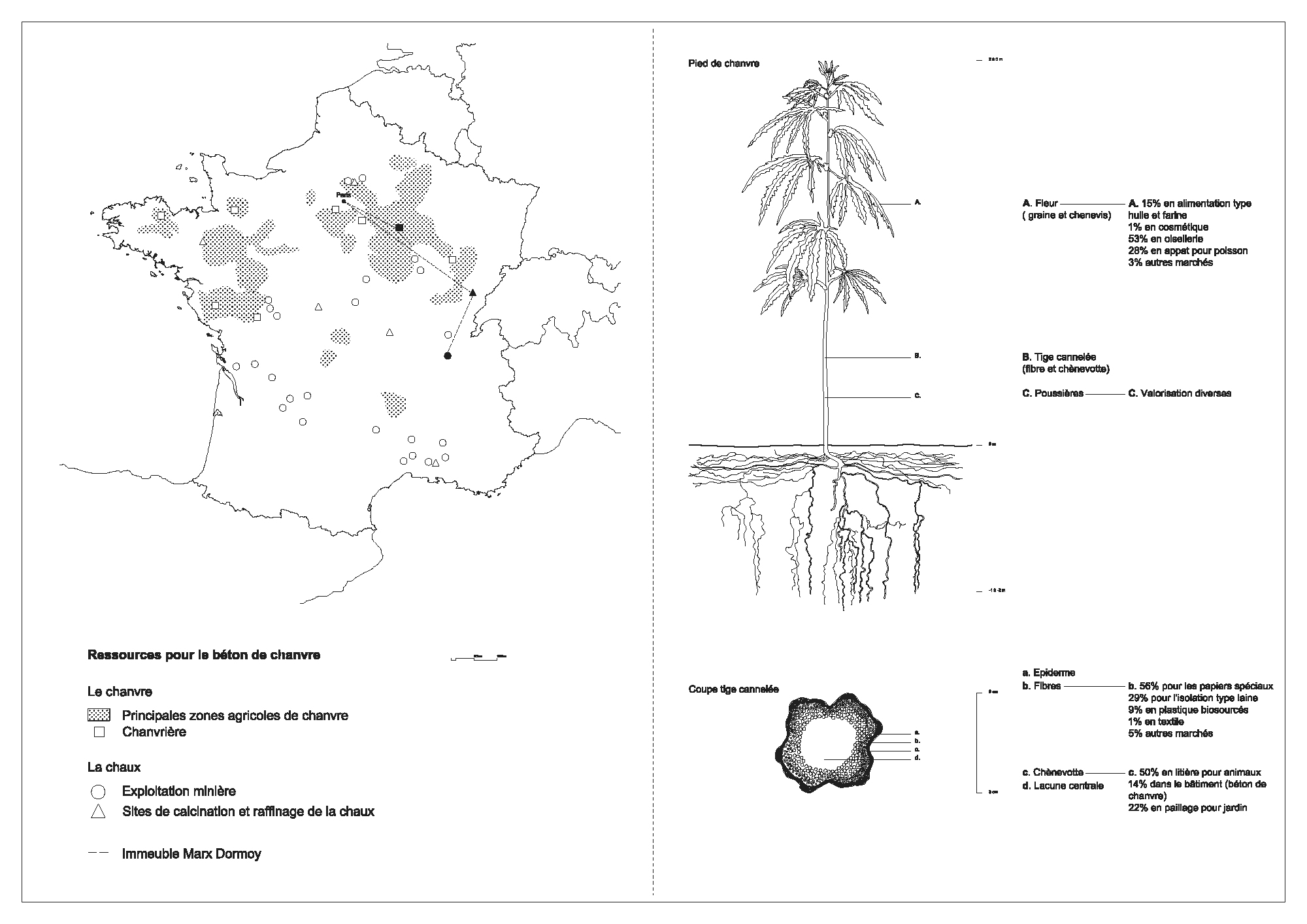
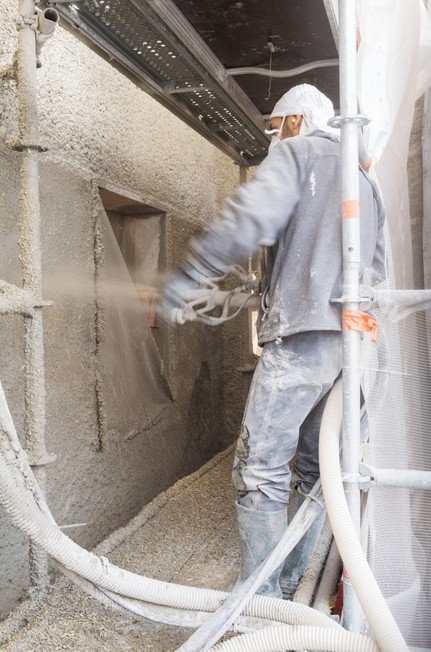
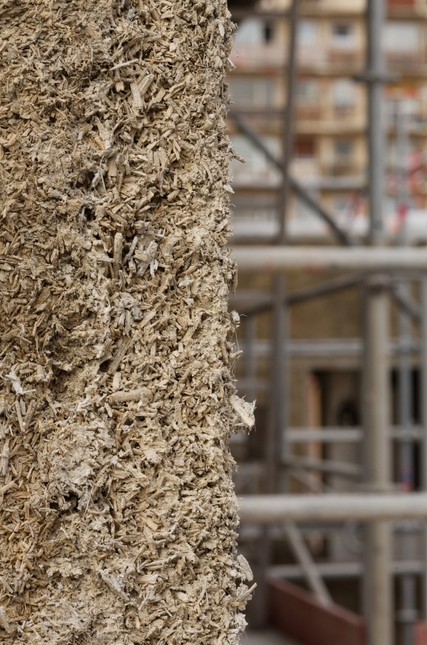
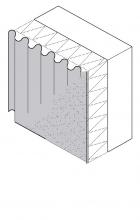
Finally, and interestingly, let’s look at how the façade is put together. At first glance, it might seem like a conventional ETICS system (SATE in Spanish) made of hempcrete sprayed to a variable thickness of 23 to 30 cm over a main supporting layer. But this raises a key question: what exactly is that support? In this case, it’s a light timber frame paired with a 13 mm interior gypsum-fiber board. So, should we think of this as the façade’s main layer? Or is it the combination of the hempcrete and the timber frame that actually forms it? Can we still call it an ETICS system or is it just a robust solution? Sometimes, even the simplest solutions resist straightforward classification.